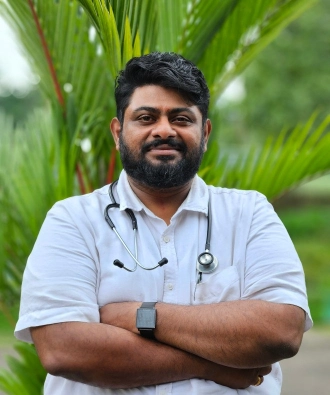

I am Dr. Surej (Consultant Physician, MD in Ayurveda) practising in Ayur Bethaniya Ayurveda Hospital, Thrissur, Kerala
Psoriasis is one of those conditions that follows a patient everywhere. The visible patches, the persistent itching, and the unpredictable flares affect not just the skin but the confidence and daily comfort of everyone living with it. Managing it well requires more than topical treatments or short-term relief. It requires a more in-depth examination of what is going on in the body, and in my practice, food is one of the most revealing places to begin.
Over my years of clinical practice at Ayur Bethaniya Hospital in Kerala, I have witnessed many psoriasis patients showing significant improvement when they follow Ayurvedic treatment, diet correction and lifestyle changes consistently. In my consultation room, the dietary conversation is as important as the prescription.
In this blog, I discuss the core dietary guidelines in Ayurveda for psoriasis patients, what to include, what to avoid, and the daily habits that make treatment work better.
How Ayurveda Understands Psoriasis?
According to the Ayurvedic view, psoriasis is a disease that is caused by aggravation of Vata and Kapha doshas, weakness of Agni (digestive fire), accumulation of Ama (metabolic toxin) and disturbance of the blood tissue. This sits alongside the modern understanding of psoriasis as an immune-mediated skin condition, and both perspectives point toward the same practical need: reduce internal inflammation and strengthen the body's natural processes.
Clinically, the above means that the healing process with Ayurveda involves systematic rectification of digestion, nourishment of blood and skin health and a conscious change in daily food habits. The dietary guidelines shared here are built on exactly this foundation.
Foods to Include: Pathya for Psoriasis
“Pathya” refers to wholesome foods and daily practices that actively support the body's healing process. In Ayurveda, what we eat either builds health or burdens it, and for psoriasis patients, that distinction matters deeply. The goal is to reduce Ama, strengthen Agni, and choose light foods, freshly prepared, and gentle on the system. These are the food categories I consistently recommend and explain to every psoriasis patient I treat.
Grains and Legumes
- Light foods such as old-aged rice (Shali), barley (Yava) and millets do not cause excessive Ama.
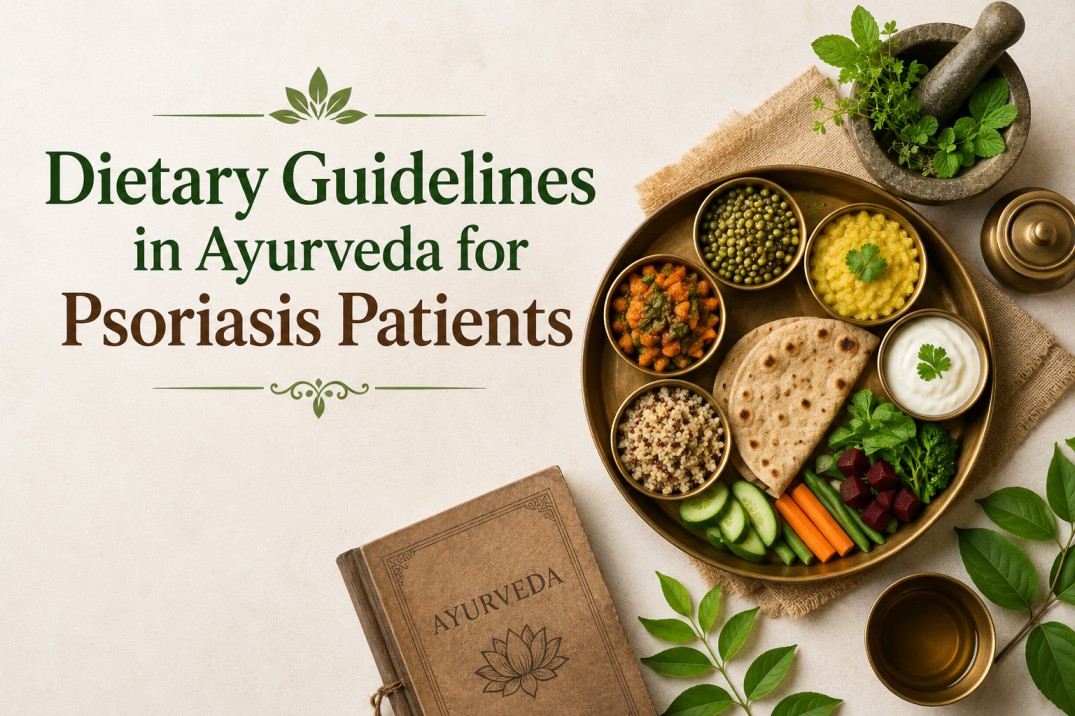
- Green gram (moong dal) is the single most recommended legume. A simple moong dal khichdi with mild spices is something I consider both a meal and a medicine.
Foods to Avoid: Apathya for Psoriasis
Apathya is the name given to foods and habits that aggravate the condition and slow recovery. These are not simple changes in psoriasis. They are categories to actively reduce or eliminate, particularly in the period of active treatment. Patients are more likely to stick to a treatment plan if they grasp the importance of each category.
Viruddha Ahara: Incompatible Food Combinations
In Ayurveda, certain food combinations are considered Viruddha Ahara (incompatible foods), as they are believed to disturb digestion, promote Ama (metabolic waste), and aggravate skin conditions. Common examples include consuming curd with meat or fish, as well as combining milk with fish, sour fruits, or salty foods. During consultations, I often find that patients are unaware of these traditional dietary restrictions, especially when such combinations are part of their regular meals. I explain why Ayurveda advises avoiding them as part of a personalised psoriasis diet.
Sour and Fermented Foods
- Curd, vinegar and pickles are generally prohibited during active flares because they aggravate Pitta.
- In Kerala, foods like idli and dosa are common, so I assess each patient's tolerance individually rather than applying a blanket restriction.
- Curd is generally restricted in Ayurvedic dietary plans for psoriasis. Buttermilk, although prepared from curd, is considered separately in Ayurveda because its properties differ depending on how it is prepared. If recommended, it should be thin, mildly spiced, and consumed only after a doctor assesses the patient's digestive capacity and overall health condition.
Proteins, Sugars, and Stimulants
- Red meat, heavy dairy, black gram, and fried preparations are restricted during active management.
- Fish and eggs are assessed individually, especially when patients notice flares after consuming them.
- During treatment, refined sugars, excess jaggery and alcohol produce ama, which disrupts agni, and should be avoided.
Lifestyle Practices That Strengthen the Diet
A supervised light fasting (Langhana) can be beneficial for selected patients in reducing heaviness and improving digestion. I always recommend a fasting test before embarking on any fast, including the one I am about to describe, which is for the entire body. I never suggest fasting without first evaluating strength, age, digestive abilities and full medical history. Having warm, freshly cooked meals at the same time of day and giving the body time to digest the meal before eating again makes a difference to how the body reacts to treatment over time.
Ayurvedic herbs like neem, Manjistha and turmeric can be used for psoriasis treatment, but the form, dosage and duration should always be determined by an Ayurvedic physician. Adhering to these Ayurvedic dietary guidelines with sincerity can help develop an internal environment where psoriasis flares are less frequent, less severe and easier to manage.
This article is for educational purposes only. Psoriasis requires individual assessment, especially if symptoms are severe, spreading, or associated with joint pain. Please consult a qualified Ayurvedic physician or dermatologist before starting medicines, fasting, Panchakarma, or herbal supplements.
Ayur Bethaniya: Best Ayurvedic Hospital in Kerala
Ayur Bethaniya Ayurveda Hospital in Thrissur, Kerala, is dedicated to providing genuine traditional Ayurvedic treatments that restore health and promote a fulfilling life. Alongside Ayurvedic medications, the treatment plan incorporates yoga, lifestyle guidance, and personalised dietary support, including organic vegetables grown in the hospital's own garden, because at Ayur Bethaniya, food and medicine carry equal importance.
With more than a decade of committed service, over 40 years of experience among the senior physicians and a team of 15+ medical experts, including Ayurvedic doctors, modern medicine physicians, naturopathy doctors, neurophysiotherapists and Panchakarma specialists, each treatment plan is designed around the individual and not a template.
Read to know: Best 10 Ayurvedic Remedies For Stress Relief
Feel free to contact us for your queries.